

Social Capital
Building Trust across Stakeholders
TCS aims to build enduring trust across its stakeholder ecosystem through long-term value creation and sustained collaboration with customers, suppliers, investors, analysts, ecosystem partners, and communities.
Customers
Customer centricity is foundational to TCS’ business strategy and underpins the Company’s approach to creating long term value. TCS continues to be regarded as a trusted partner, combining deep contextual understanding, domain expertise, and advanced technology capabilities to help customers navigate complex challenges. This customer focused approach is reflected in consistently high levels of customer satisfaction, with TCS recording a 94.4% customer satisfaction score in FY 2026, along with strong deal momentum supported by US$ 40.7 billion of TCV in FY 2026, including five mega deal wins.
TCS was ranked #1 in Europe for customer satisfaction by Whitelane Research for the 13th consecutive year.
Large Client Metrics
Relationship spanning decades
10 years of relationship
670+
20 years of relationship
250+
130/139
clients with US$50 Mn annual turnover

Jef Loos
Head of Research, Europe at Whitelane Research
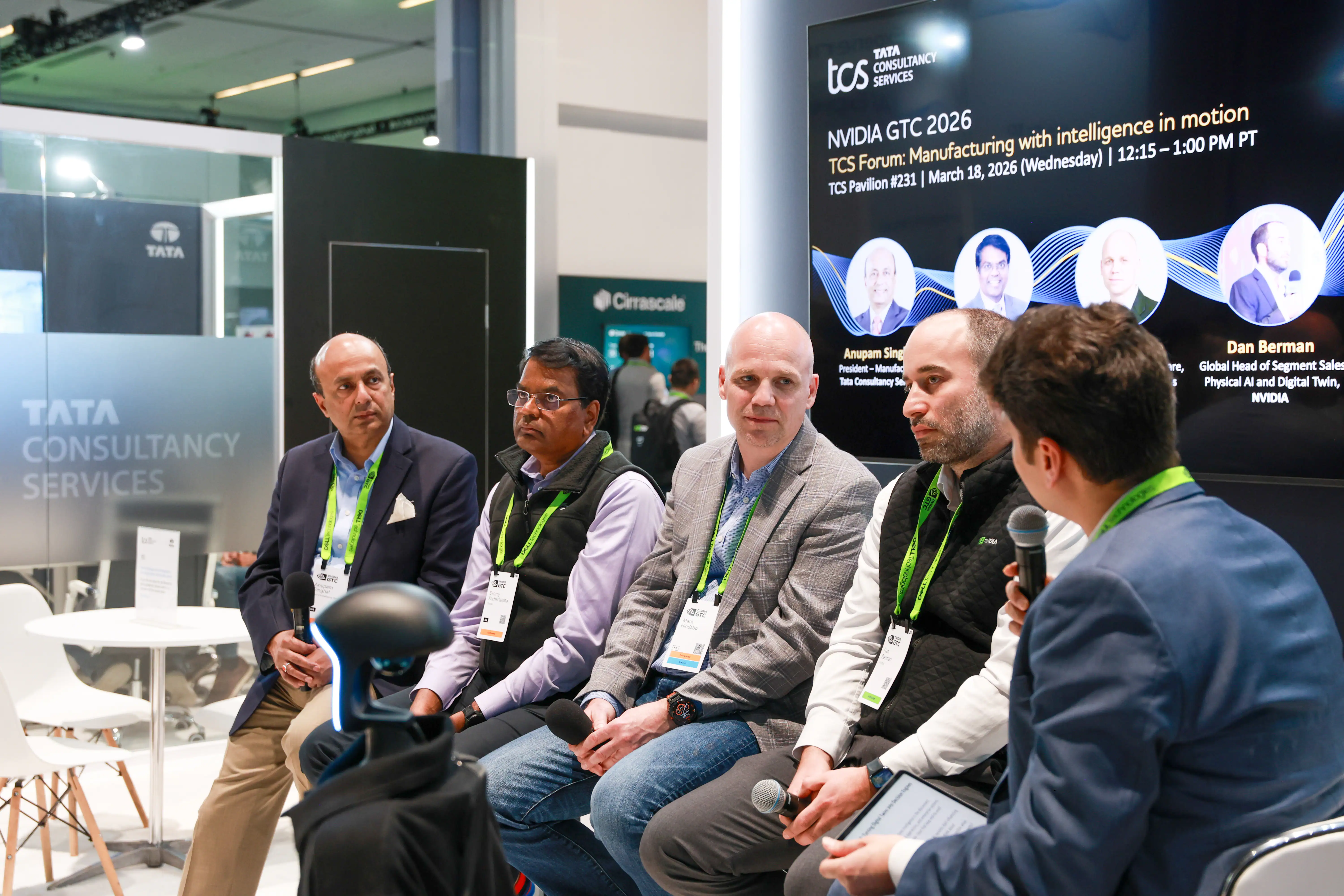
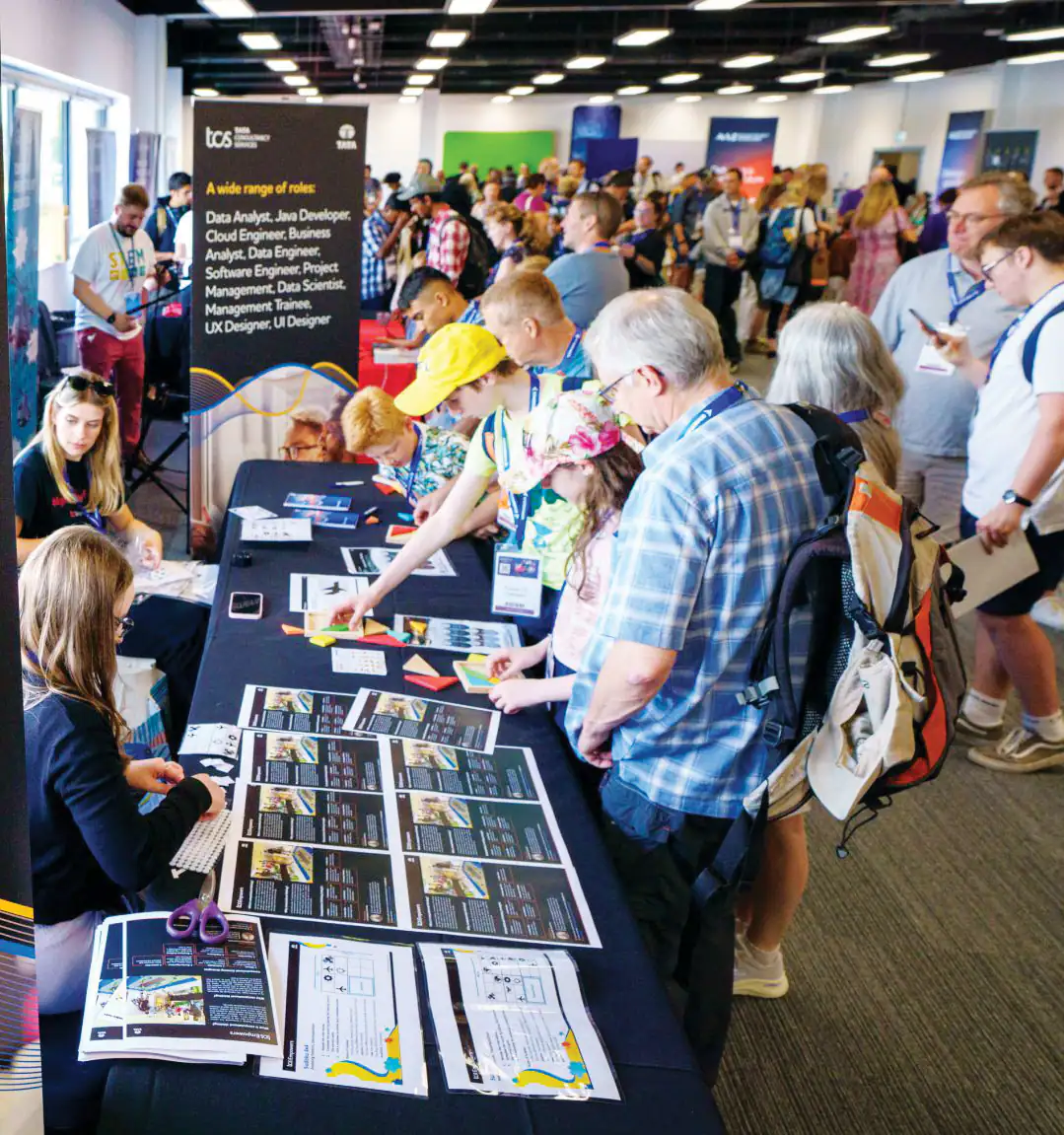
TCS engages with customers globally through summits, trade shows, and vendor partner events.
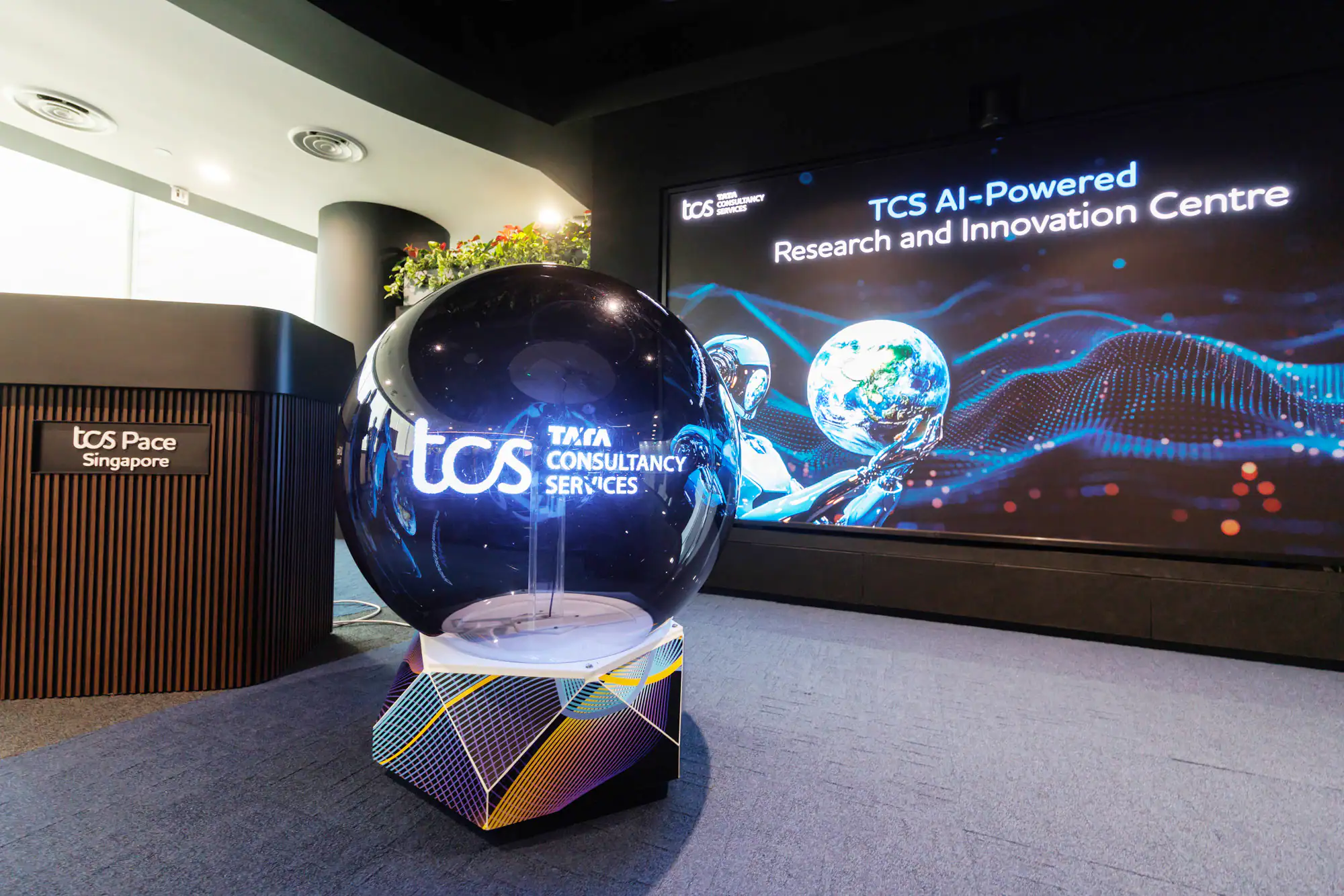
TCS’ Pace Ports and Studios enable experience-led engagements by embedding Rapid AI Builds into customer interactions, helping identify high impact challenges and contextual AI solutions.
Suppliers
TCS emphasises responsible sourcing through transparency, sustainability, and ethical business practices. All suppliers must adhere to TCS’ Supplier Code of Conduct (SCoC), Health, Safety and Environment (HSE) requirements, and relevant policies, which guide the Company’s procurement practices. The responsible sourcing programme continues to cover 100% of TCS’ suppliers.
Ecosystem Partners and Alliances
TCS strengthened its partner ecosystem across hyperscalers, enterprise platforms, deep tech companies, and industry collaborators to support customer transformation and long-term value creation. In FY 2026, the Company advanced collaborations with OpenAI to support enterprise AI adoption, co-develop industry specific AI solutions, and enable AI infrastructure development in India, alongside partnerships with semiconductor players such as AMD.
During the same period, TCS deepened strategic collaborations with Microsoft, Google Cloud, NVIDIA, and ServiceNow, while expanding partnerships with Salesforce through targeted acquisitions to enhance advisory, implementation, and managed services capabilities. In addition, long standing industry partnerships with ABB and Jaguar Land Rover continued to strengthen capabilities across digital engineering, industrial AI, and infrastructure modernisation.
Analysts
TCS’ Analyst Relations programme focuses on building mature and productive relationships with the analyst community, strengthening brand reputation, market influence, and strategic insight.
As a testament to its market leadership, TCS was rated a Leader in 165 competitive positioning assessments conducted by leading analyst firms, evaluating strategy, vision, and delivery capabilities. These independent recognitions reflect TCS’ strong leadership across key services, industries, and products and platforms, with analyst commentary highlighting its AI-led transformation, contextual depth, and strengths in advisory and innovation.
Investors
TCS continues to excel in investor outreach by fostering transparent engagement and providing comprehensive disclosures, effectively communicating strategy, risks, and opportunities to investors, ensuring fair stock valuation.
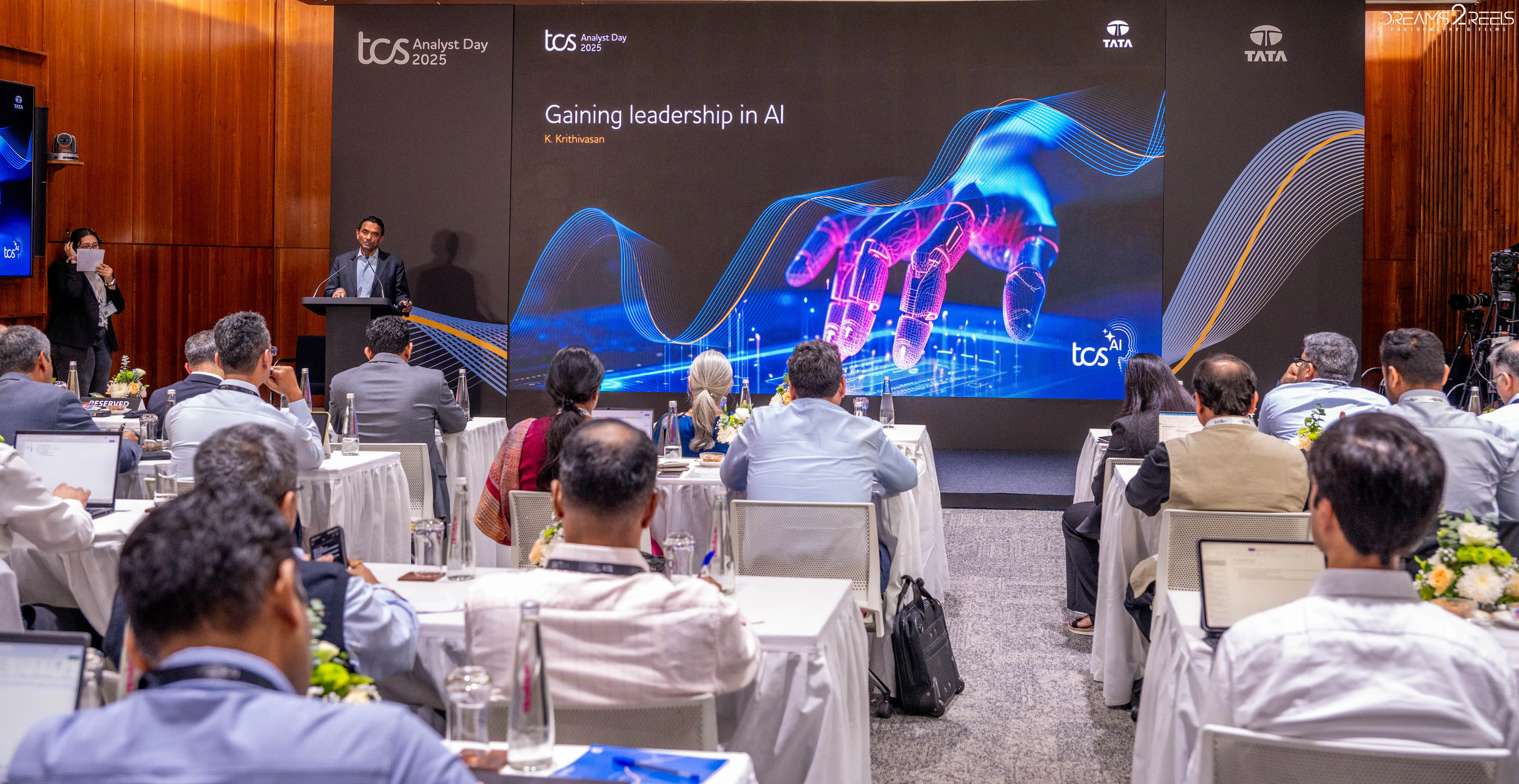
During the year, TCS hosted an ‘Analyst Day’ to engage with equity analysts, outlining its AI-led aspiration supported by five pillar transformation to lead in the AI era. The event featured leadership presentations, AI rapid build immersion sessions and showcased customer case studies across the Infrastructure to Intelligence stack, reinforcing TCS as a full stack AI services partner for enterprises.
1includes multiple investors in group meetings
Community
TCS’ Corporate Social Responsibility initiatives towards Education, Livelihood, Employment and Entrepreneurship have driven social transformation by championing the inclusion of marginalised talent.
Education


TCS Ignite My Future (IMF) is a transdisciplinary education programme that ignites the spark of curiosity and problem solving through Computational Thinking (CT), a foundational 21st century skill for successful careers in every sector.
Since its inception in 2017, IMF has enhanced the lives of over 2.7 million teachers and students across 17 countries.
In FY 2026, IMF reached 1,978 educators and 83,807 students.
Vamsikrishna J
CT Teacher
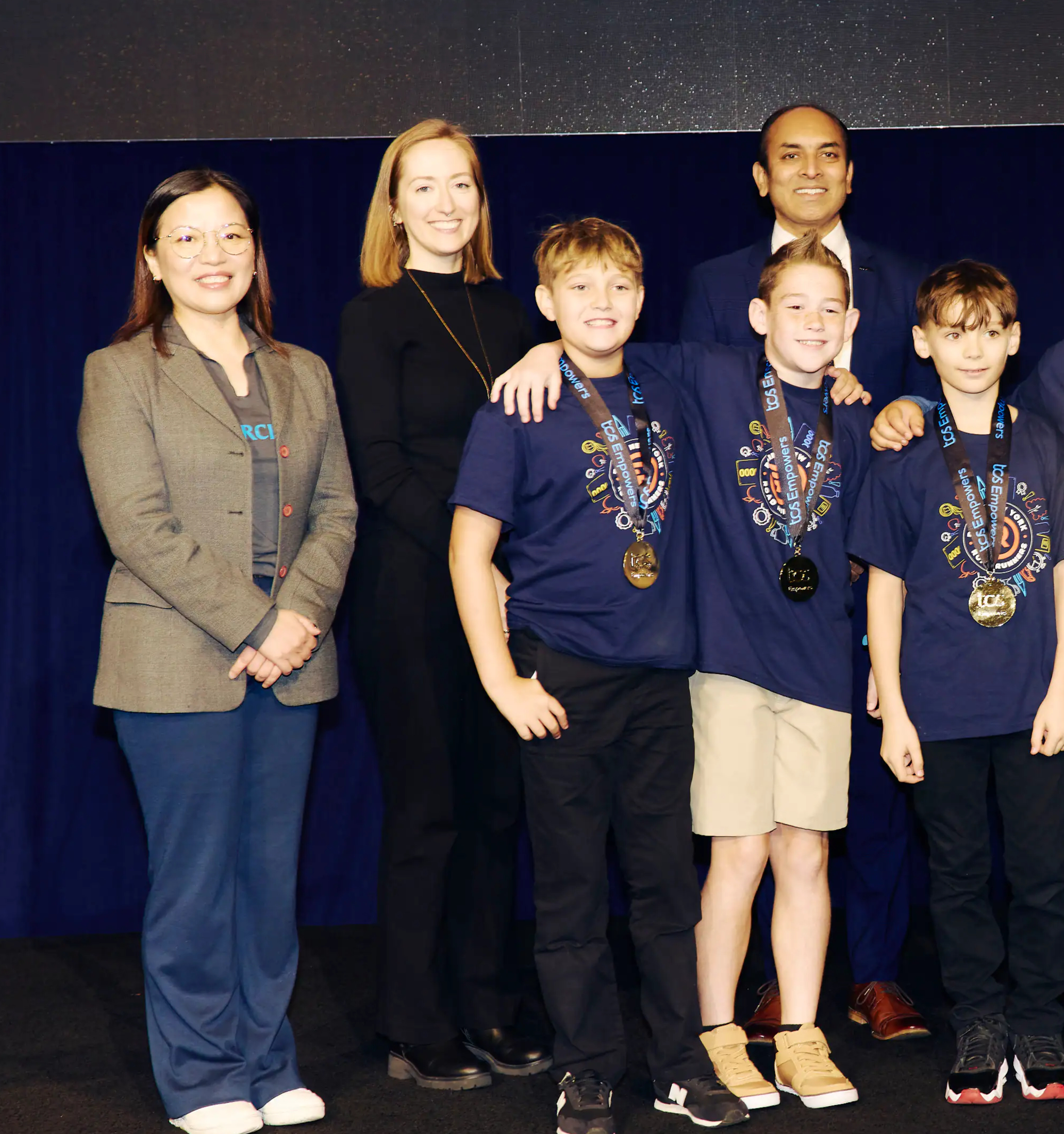
TCS go Innovate Together (goIT) is a no-cost digital innovation and career readiness programme designed to equip students from diverse backgrounds with future-ready skills. It encourages them to become innovators and address real-world societal challenges.
Since its launch in 2009, goIT has positively impacted 396,342 students in its growing presence across 67 countries.
In FY 2026, goIT empowered 49,070 students and educators around the world.
Peter Singh
Executive Officer of IT Services and Chief Technology Officer for the Toronto District School Board
Employment
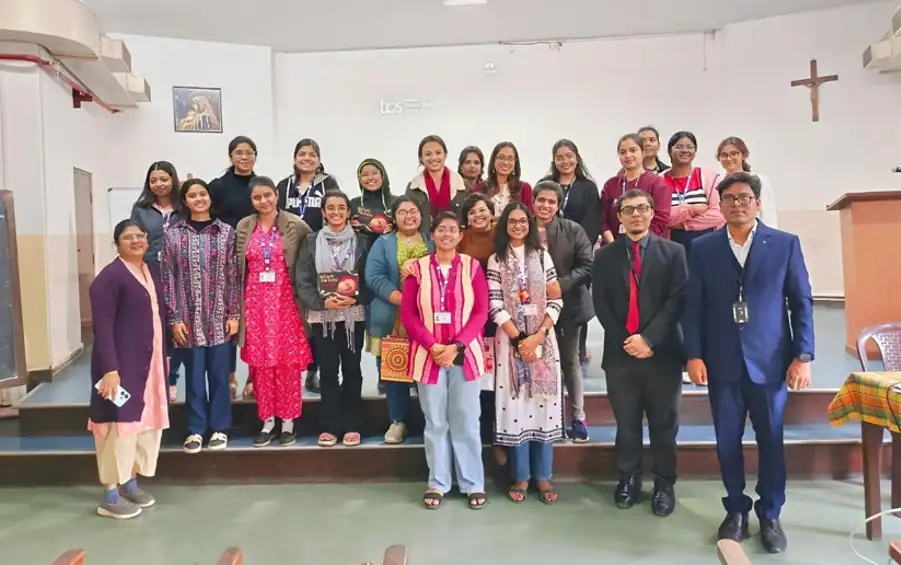
TCS Youth Employment Programme (YEP) addresses youth unemployment by upskilling students from marginalised communities, equipping them with industry relevant skills, and facilitating placement opportunities. It bridges the gap between the academic and professional world while enabling socio economic mobility.
Since its inception in 2010, the programme has enhanced the socio-economic status of 186,241 youth and families, provided youth access to opportunities in 36 states and union territories, empowered 108,249 young women and 50,885 people from underserved communities, and placed 44,002 students.
In FY 2026, YEP trained 1,098 youths and facilitated gainful employment of 164 students in information technology and other domains.
Divyanshi Tiwari
Nagpur, Maharashtra, YEP beneficiary
Entrepreneurship
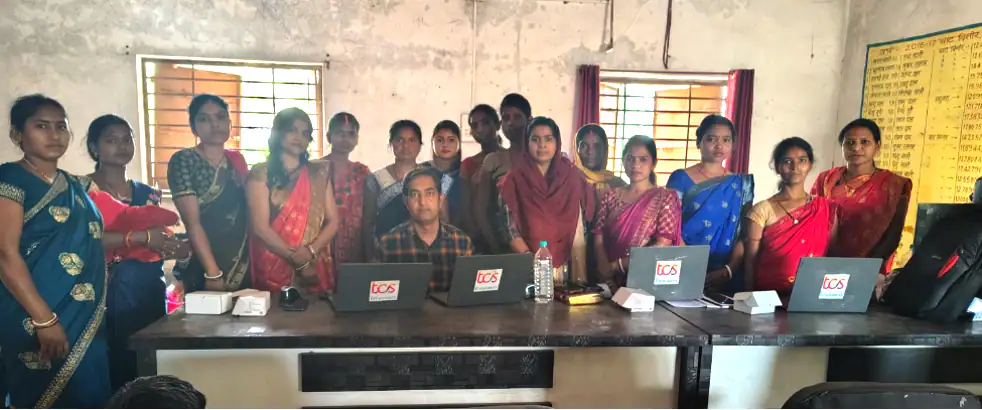
TCS Women Empowerment Programme (WEP) focuses on providing access to essential services in the hardest-to-reach rural locations in India by creating digital entrepreneurs within marginalised communities.
Since its inception in 2014, WEP has created 1,866 entrepreneurs of which 1,533 are active, comprising 87% women and 52% from marginalised communities, serving 8,371 villages across 42 districts by offering essential services like document generation, government scheme enrolment, online form filling, and banking transactions, among others.
In FY 2026, 1,533 active digital entrepreneurs (of which 1,329 are women) offered services to 1,260,780 beneficiaries.
Heena Praween
Madhuniya, Bokaro, WEP entrepreneur
Health and Wellness


TCS’ digital transformation initiatives at the Tata Medical Center, Kolkata and Cancer Institute, Chennai facilitated 75,541 new patient consultations in FY 2026.
Literacy
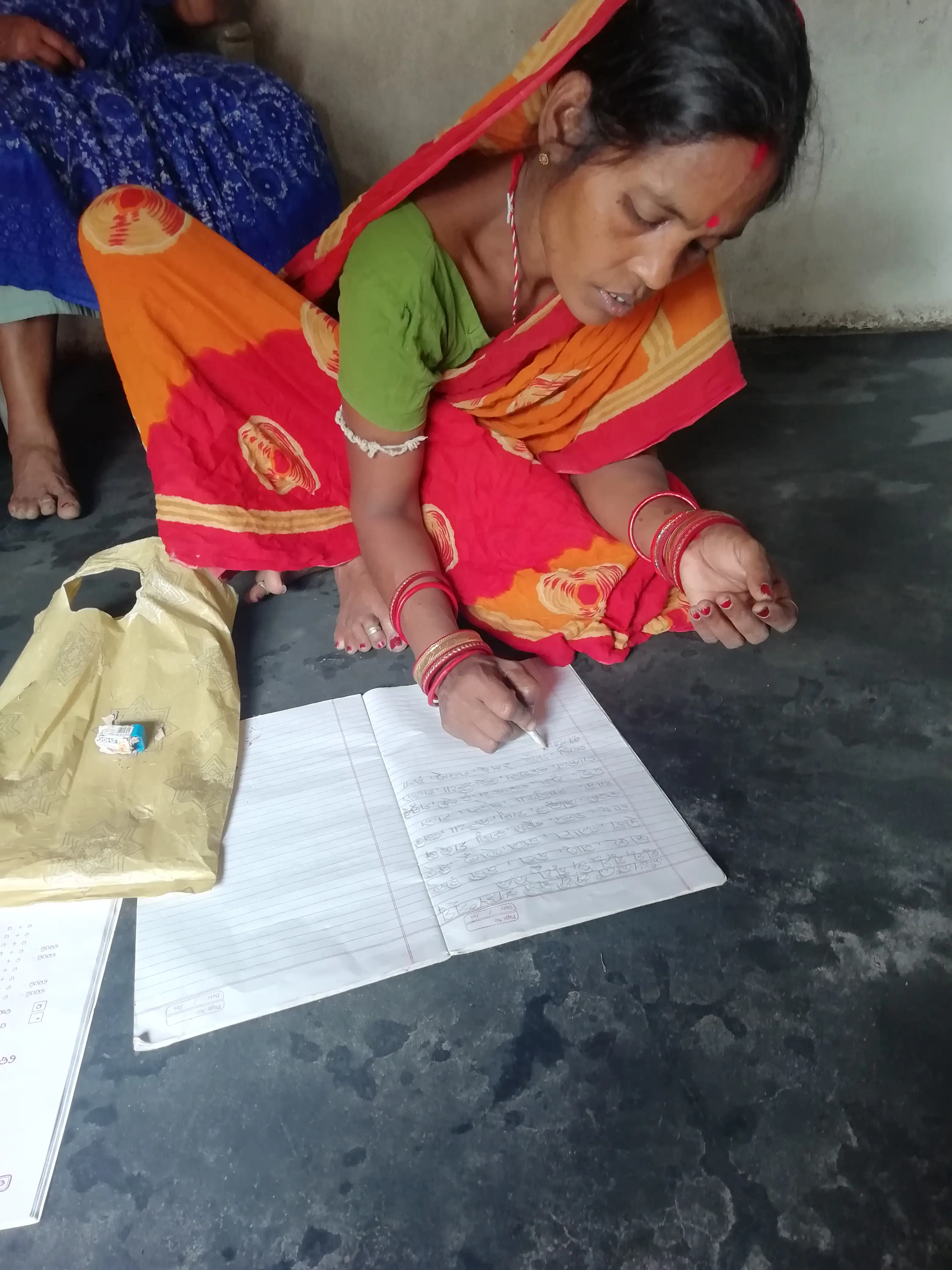
TCS Literacy Programme drives social inclusion by empowering non-literate adults, especially among women and marginalised communities, helping them integrate into mainstream society and participate in India’s digital financial economy.
TCS Literacy Programme also consists of the ‘Each One Empowers One’ initiative that gives TCS and Tata group employees the opportunity to volunteer and empower non-literates in their community. In FY 2026, this digital platform has over 3,725 volunteers with 12,415 beneficiaries.
Since its inception in 2000, TCS Literacy Programme has empowered over 5.1 million beneficiaries and 493,928 facilitators. In FY 2026, TCS Literacy Programme empowered 2.7 million learners.
Durga Bellani
MEPMA, RP
Business with Purpose (BwP)
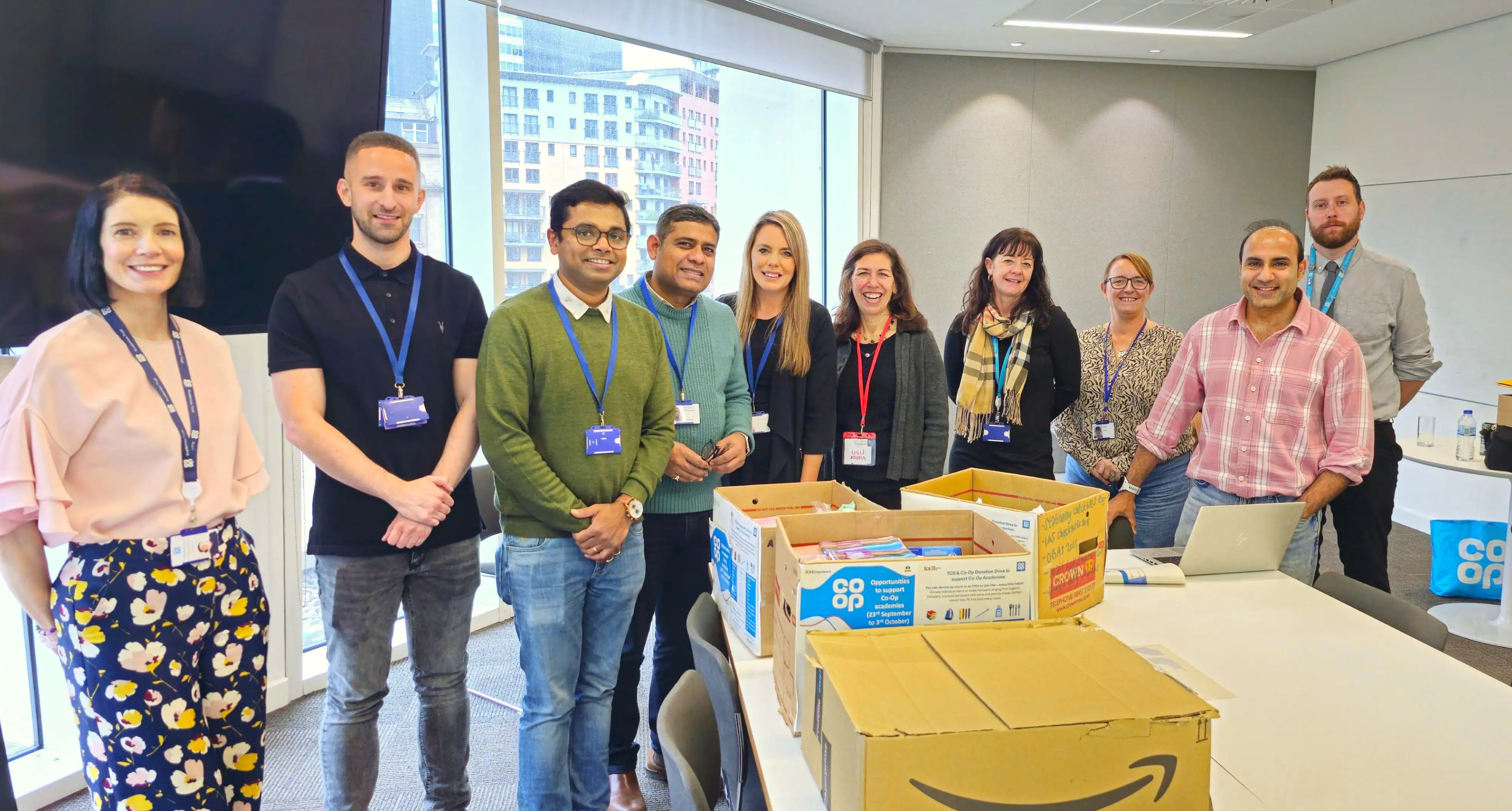
468 customer leaders, including 186 senior executives, joined hands with TCS CSR initiatives worldwide to serve deserving communities around them.
Hours of Purpose by Employees (HOPE)
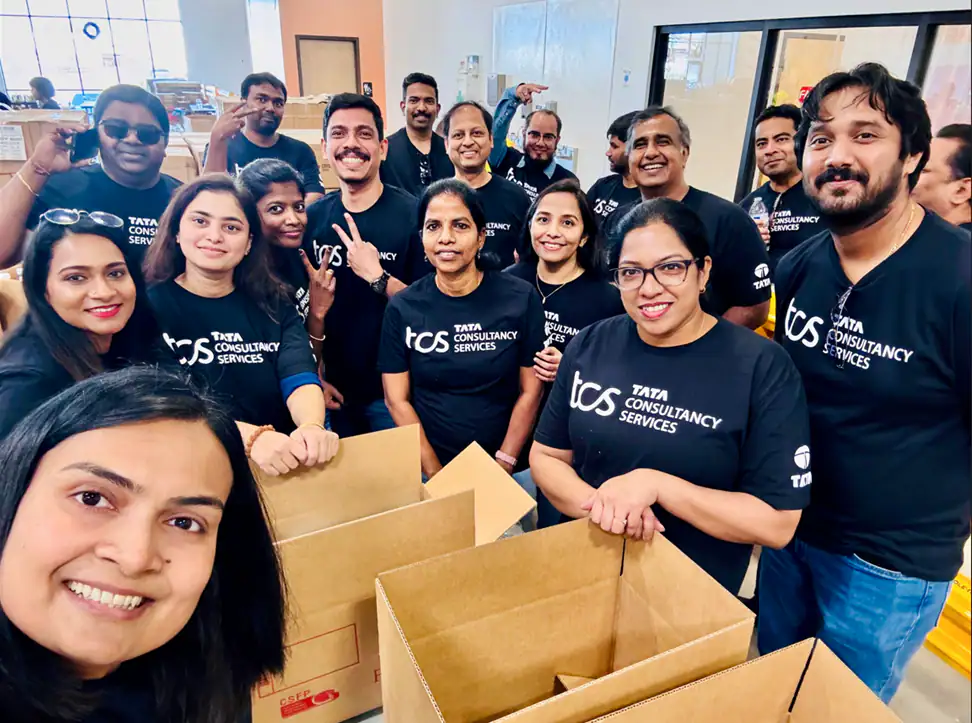
TCS Hours of Purpose by Employees (HOPE) is the company's global employee volunteering movement committed to meaningful community engagement, aligned with the UN Sustainable Development Goals (SDGs), enabling skill and interest based volunteering to deliver sustained social impact.
Since inception, 398,954 volunteers have contributed 27.43 million volunteer hours, touching 31.8 million lives.
In FY 2026, HOPE witnessed 173,820 volunteers contributing over 9.4 million volunteer hours, achieving 16.2 PCVH and enriching 12.96 million lives.
Building capacity and capability for non-profits to create greater social impact with TCS Tech4HOPE.
TCS Tech4HOPE is a skill-based employee volunteering initiative that delivers pro bono technology and advisory support to non- profits, enabling sustainable community impact.
Since inception, Tech4HOPE has created US $21.1 million in 'social value.'
In FY 2026, Tech4HOPE delivered pro bono digital services to 81 non-profits, completing 51 projects and advancing 30 projects in progress. Through 24,912 hours of skill-based volunteering, the initiative generated an estimated social value of US $5.5 million.
Raman Venkataramanan
Business Development Lead
Dr. Nicholas Minar
Director of Research & Reporting at NAF
Conservation and restoration of
traditional water systems across India
Rajon ki Baoli, built in 1506 during the Lodi era, is a four-level stepwell situated within the Mehrauli Archaeological Park. Once a vital water source, its revival called for more than conservation - it demanded systemic restoration.
To prevent groundwater contamination, TCS Foundation collaborated for restoration and rejuvenation of Rajon ki Baoli. Overflow from the local Sewage Treatment Plant (STP) was redirected, stormwater networks were repaired, and nearby settlements were connected to the sewerage grid.
The front plaza was regraded and paved with grass-jointed stone over a sand bed; a simple, sustainable intervention to reduce sedimentation into the baoli.

A three-pronged approach was adopted to improve water quality:
Biological
Reintroduction of aquatic life
Chemical
Use of alums for water clarification
Electromechanical
Aerator jets and submersible pumps to oxygenate and maintain water levels
Turning scars into
strength
Every year, millions of Indians suffer burn injuries, most of them preventable. Behind these numbers are families who lose not only health but also livelihoods, education, and identity.
According to the World Health Organisation, India records nearly 70 lakh burn injuries annually, with over 1.4 lakh deaths each year ¹. That is one life lost every four minutes. What makes it worse is that four out of every five burn victims are women or children², and most cases occur in low-income or rural households.
A 2023 Indian Council of Medical Research (ICMR) multi-centre study found that 11% of rural households reported burn injury patients compared to 5% in urban areas³, showing how access to immediate medical care remains uneven.
The TCS Foundation supported an organisation, founded by a burn survivor. This organisation offers holistic rehabilitation, which includes reconstructive surgeries, awareness and counselling to help survivors regain confidence and reintegrate into society. TCS Foundation provided financial assistance for free surgeries and post-surgery rehabilitation of burn survivors.

Supporting people with
sustainable solutions
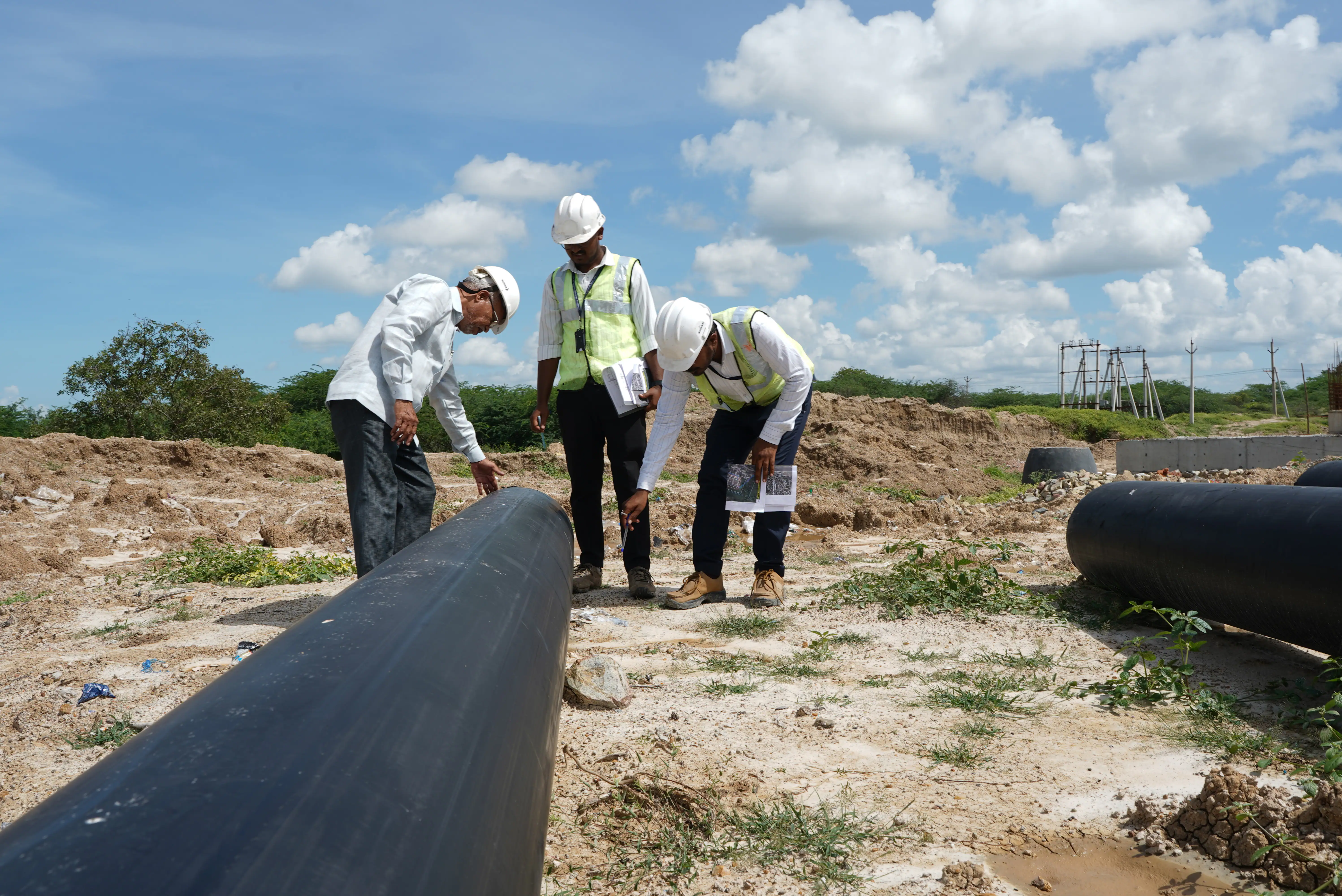
To support the growing foot traffic at a very densely visited place, the TCS Foundation is enabling the redesign of its ageing underground drainage system across 120 acres. The project includes a new sewage treatment plant to address chronic overflow and irregular connections, ensuring hygienic, future-ready infrastructure that can adapt to evolving needs while preserving the sanctity and sustainability of this centuries-old place.
Establishing support for
skilling and innovation needs
TCS Foundation supported a project to launch a Centre of Excellence (CoE) in Gorakhpur, Uttar Pradesh. The CoE aims to nurture and empower talent from Eastern Uttar Pradesh (Purvanchal) in emerging technologies such as artificial intelligence (AI), drone technology, 3D printing (additive manufacturing), space technology, and cybersecurity, and medical technology (MedTech).
Established with the support of the TCS Foundation and operationally managed by the institute, the Centre of Excellence is envisioned as a future-ready hub for advanced learning, applied research, and innovation. Bringing together emerging technologies such as artificial intelligence, drone technology, and more, the Centre focuses on hands-on learning through modular laboratories, real-world projects, and applied problem-solving. The CoE aims to incubate 100 startups.
The CoE has been set up to support the skilling and innovation needs of Eastern UP, where access to advanced technological infrastructure and sustained industry-academia collaboration is still emerging. By creating a centralised platform focused on selected high-impact technology areas, the CoE aims to strengthen regional research and innovation efforts, support entrepreneurship, and enhance employability, while contributing to broader regional priorities and national development objectives.
Creating a network of
schools and after-school centres
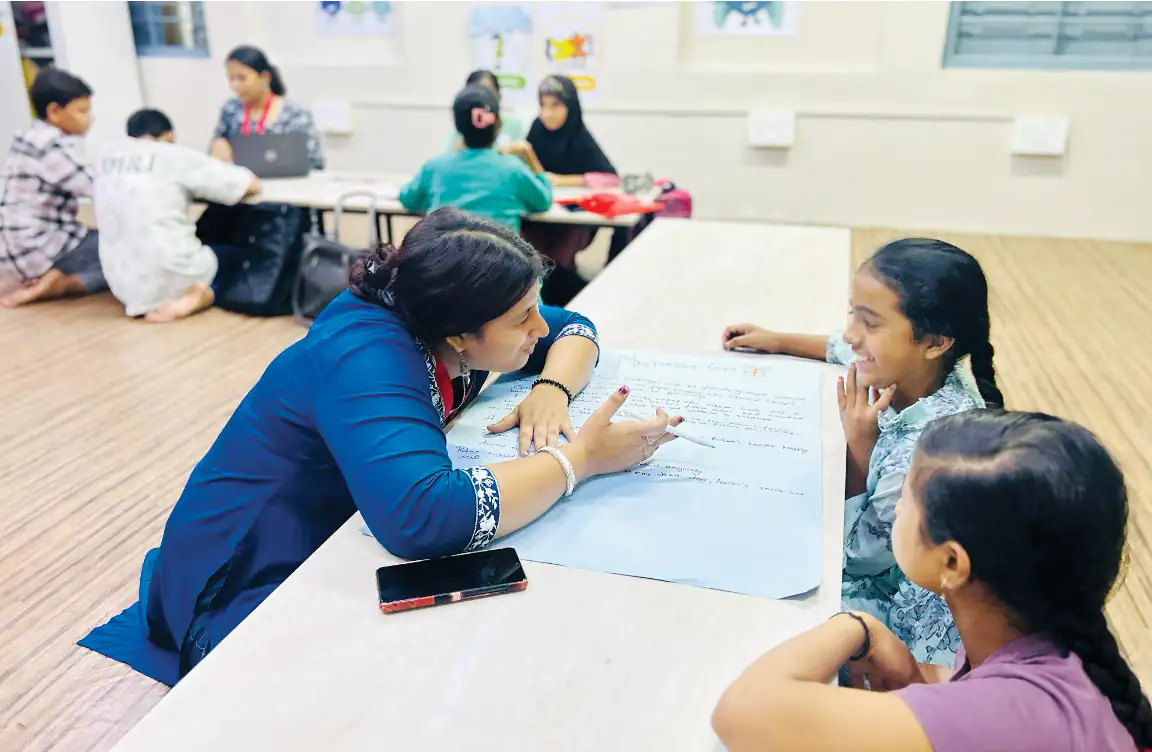
The aim is to create a network of schools, teachers, and after-school centres by creating a learning infrastructure and build a network of teacher training university and online certification programmes. The programme is a blended teacher training course that prepares educators to equip students for the 21st century by using incubated schools as practical training environments. The programme was built to supply the system with a teaching and coaching workforce that is better prepared to reinvent education. The programme runs two tracks - one for teachers and one for coaches - tailored to strengthen instructional practice and coaching leadership.
A first-year teacher, part of the teacher track in this programme who through the programmes’ Virtual Elective session, her first experience with online learning, participated in electives on Whole Child Development and Building Vocabulary in the foundational years. She found the format flexible and practical, enabling immediate classroom application, and gained a holistic approach to lesson planning by integrating cognitive, language, physical, and social-emotional development, an experience she described as rich and impactful.
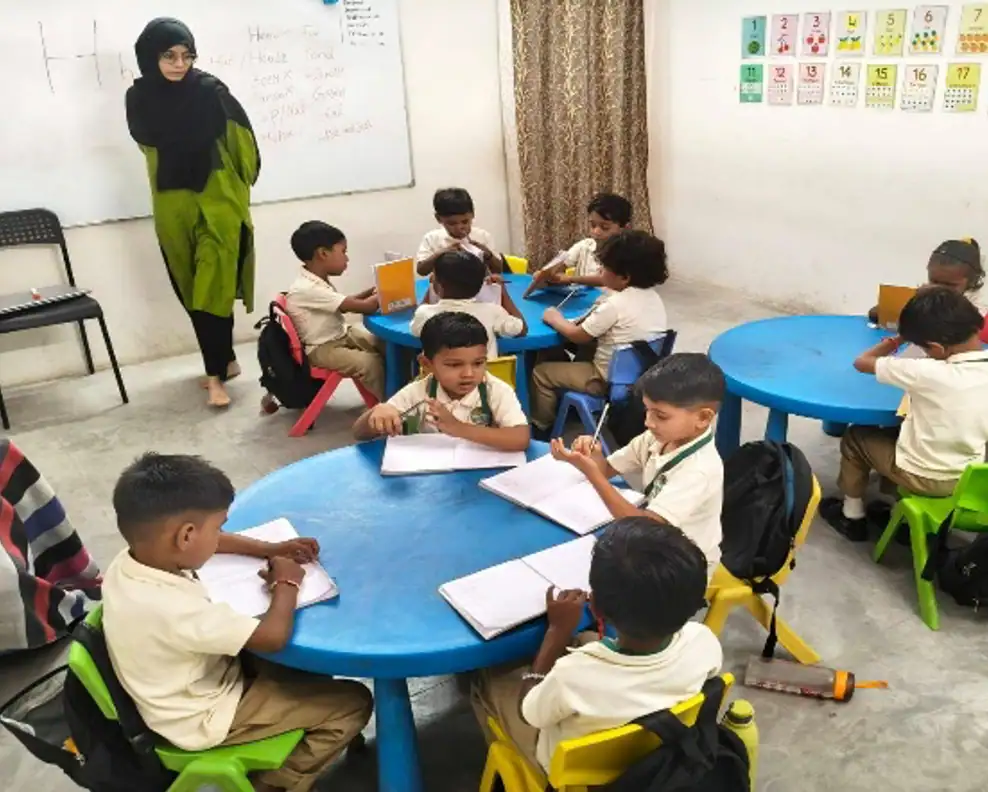
It takes a village to raise a child, a phrase that is often heard. The founders of a community-based school translated this idea into everyday practice. Their community board is one of the most deeply involved- not just in decision-making, but in the lives of each child. They actively discuss every student’s circumstances, often visiting homes and stepping in with support wherever it is needed.
With just four local teachers, a single school campus in the entire village, and a committed community, this school is redefining what community-based learning can look like- especially in one of the most conflict-affected regions of the country.